Race and casting
What happened to Survivor’s 50% BIPOC casting target?
CBS introduced a corporate target—not a law or ban—for at least 50% BIPOC representation across unscripted casts beginning in 2021–22. Paramount rolled back DEI policies in 2025 while citing Trump administration directives, and Skydance later committed that New Paramount would not establish DEI initiatives as part of the FCC-reviewed merger. That is a real political and corporate connection, but it is not evidence that Trump personally ordered Survivor to cast fewer people of color. Survivor casting director Jesse Tannenbaum said the effort to build a diverse cast continued.
Confirmed CBS’s 2020 target, Paramount’s 2025 policy changes, the FCC merger commitments, the peer-reviewed study, and the alumni discussion are documented. A direct claim that Trump personally ordered Survivor to change its cast is not supported.
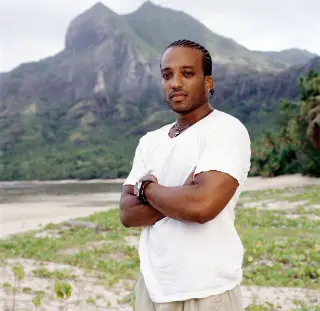 Sean Rector
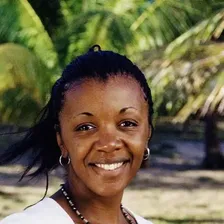
  Vecepia Towery
 What the record shows
- Confirmed On November 9, 2020, CBS set a target for future unscripted casts to include at least 50% Black, Indigenous, and people of color beginning in the 2021–22 broadcast season. Survivor 41 was the first season produced in that period.
- Confirmed A peer-reviewed 2023 study of 731 contestants across Seasons 1–40 found BIPOC contestants were more likely than White contestants to be their tribe’s first boot and less likely to reach the merge.
- Confirmed Black Survivor alumni, including Sean Rector, participated in a 2020 public discussion about racism, racial bias, stereotypes, treatment during production, and portrayal on the show. The fact that they gave these accounts is confirmed; the experiences remain attributed to the people who reported them.
- Confirmed Paramount changed several DEI policies in February 2025 while citing Trump administration directives, Supreme Court precedent, and federal mandates. In July, the FCC approved the Skydance–Paramount merger after Skydance committed not to establish DEI initiatives at New Paramount.
- Unverified That President Trump personally ordered Survivor to drop its 50% casting target or directed the racial makeup of a specific season. No executive order, FCC document, CBS statement, or casting interview located for this page says that.
- Confirmed After the corporate rollback, Survivor casting director Jesse Tannenbaum said that, from his perspective, nothing had changed and that he was still pursuing a cast representing different races, religions, and sexual orientations.
The 50% figure was a CBS target, not a government rule
CBS announced the target in November 2020 after years of criticism about representation in reality television. The announcement covered all future unscripted programs and paired casting with spending and production commitments. It used the language of a target, beginning with the 2021–22 broadcast season.
Calling it a ban obscures what actually existed. No government barred CBS from casting a different percentage, and no contestant had a legal entitlement to a place. It was a public corporate commitment about how CBS intended to assemble its casts.
What the research found before the new era
The strongest outcome evidence predates the policy. O’Mara Kunz, Howell and Beasley analyzed 731 contestants across Seasons 1–40 for a 2023 Psychological Science paper. Compared with White contestants, BIPOC contestants were more likely to be the first person voted out of their tribe and less likely to reach the individual phase of the game.
That is an aggregate result, not a verdict on the motive behind every ballot. The researchers frame Survivor as a zero-sum environment in which bias can operate through explanations that sound race-neutral. Their study ends at Season 40, so it cannot tell us whether the CBS target changed the same voting patterns in Seasons 41 onward.
What Sean Rector and other Black alumni said
In 2020, Rob Has a Podcast convened Black Survivor alumni for a long public discussion led through the Black Voices of Survivor project. Sean Rector had already spoken about race during Survivor: Marquesas; in the later conversation, alumni discussed racial bias, stereotyping, unequal treatment, production experiences, and how Black players were portrayed.
Those accounts belong in the record because they are first-person testimony from people who made the show. They should remain attributed. A castaway describing racism establishes what that castaway reported and experienced; it does not automatically prove every inference about another person’s private intent.
Where Trump, Paramount, and the FCC enter the timeline
In February 2025, Paramount told employees it was changing several DEI policies. Reporting on the memo says its co-CEOs cited Trump administration directives alongside the Supreme Court and federal mandates. The company ended demographic hiring goals and other internal measures. This was part of a much wider corporate retreat from DEI programs.
The separate Skydance merger then required FCC approval. The FCC’s July announcement says Skydance committed that New Paramount would not establish DEI initiatives. That document supplies a direct connection between the merger review and the corporate policy outcome. It still does not say the White House selected Survivor contestants or issued a Survivor-specific command.
What changed—and what remains uncertain
The hard corporate percentage no longer appears to operate as the same published requirement. But casting director Jesse Tannenbaum said the practical goal of finding a broadly representative cast had not changed from his perspective. Those facts can coexist: a formal percentage can disappear while a casting team continues to value diversity.
The next measurable question is not whether one cast lands exactly at 50%. It is whether representation, early-boot risk, merge rates, finalist rates, winning rates, and screen time change over several seasons. The linked research page freezes the currently supportable aggregate figures and states where the source classifications stop.
People in this story
Questions people ask
- Did Trump end a law requiring Survivor to cast 50% people of color?
- No. The 50% figure was a CBS corporate casting target, not a law or legal ban. Paramount later rolled back DEI policies while citing Trump administration directives, and Skydance made further commitments during FCC merger review.
- When did Survivor’s 50% BIPOC target begin?
- CBS announced it on November 9, 2020 for the 2021–22 broadcast season. Survivor 41 was the first Survivor season produced in that period.
- Does research show racial bias in Survivor outcomes?
- A peer-reviewed study of Seasons 1–40 found BIPOC contestants were more likely than White contestants to be their tribe’s first boot and less likely to reach the merge. It did not study the new era.
- What did Sean Rector say about race on Survivor?
- Rector spoke about race during Marquesas and later joined Black Survivor alumni in a public discussion of racial bias, stereotypes, production experiences, and portrayal. Those are first-person accounts and should be presented as such.
- Is Survivor still trying to cast diverse players?
- Casting director Jesse Tannenbaum said that, from his perspective, nothing had changed and that he remained focused on representing many races, religions, and sexual orientations, even after the formal corporate policy shifted.
Sources
- CBS Sets Target for 50% BIPOC Representation Across Unscripted Casts CBS / Paramount Press Express, 2020-11-09
- Surviving Racism and Sexism: What Votes in Survivor Reveal About Discrimination Psychological Science, 2023-06
- How Survivor Is Staying Alive, 42 Seasons In Vanity Fair, 2022-05-18
- Black Voices of Survivor: A Conversation with Sean Rector Rob Has a Podcast, 2020-07-02
- Paramount Rolls Back DEI Policies to Comply With Trump TheWrap, 2025-02-26
- FCC Approves Skydance’s Acquisition of Paramount CBS Federal Communications Commission, 2025-07-24
- Casting Director Responds to Diversity Initiative News Parade, 2025-08-21
- Representation and Reality TV Cornell Data Journal, 2026-05-27
Checked on 2026-08-02. If something here is wrong or out of date, we want to know: get in touch.